
Anoushka Khanna & Neet Shah
December 2020
10 min read
Even though preserving the lives of new-borns has been a long-standing issue in public health, social policy, and humanitarian endeavours, infant mortality is once again on a global rise even after a slow decline. An exploration and determination of key data and metrics can shed more light on this trend and its drivers.
Live birth definitions often vary widely between countries. Reporting can be inconsistent or understated, depending on a nation's live birth criterion, vital registration system, and reporting practices (Fig 1).
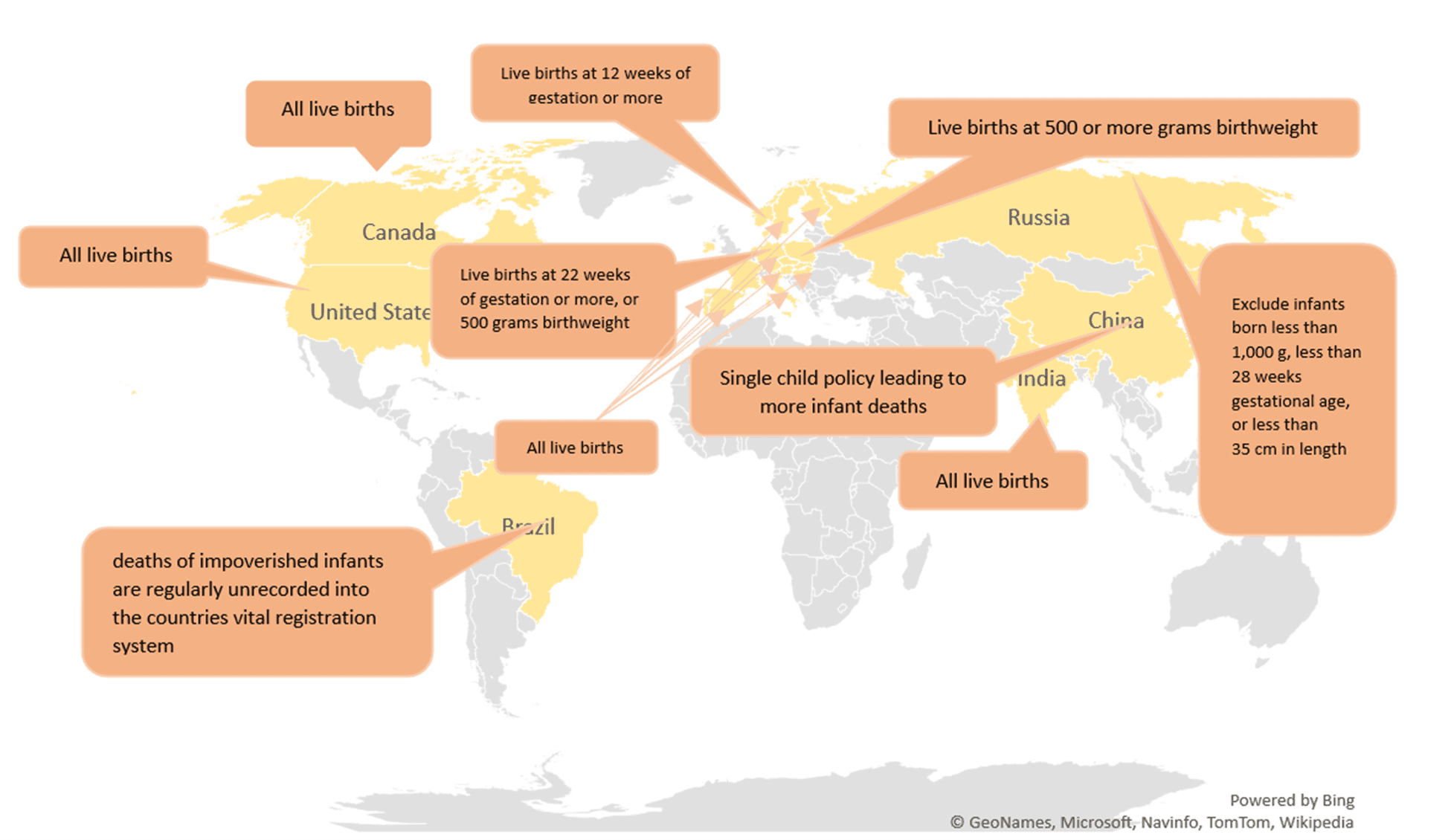
Fig. 1 – Differing IMR criteria by country
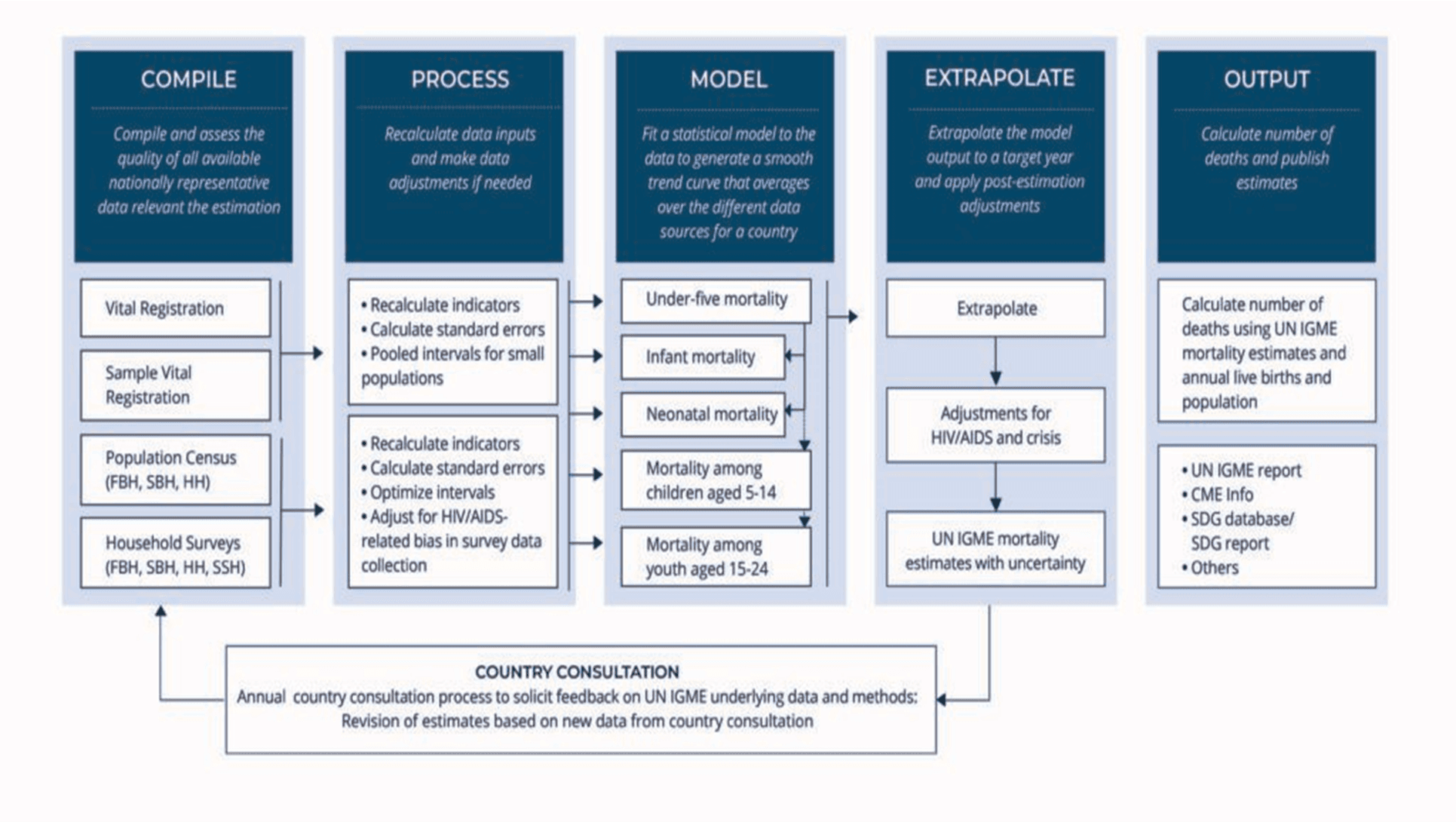
Fig. 2 – Process of arriving at annual estimates of mortality rate by IGME, Source: UN IGME. Definitions – FBH: full birth history; SBH: summary birth history; HH: household deaths, SSH: sibling survival history
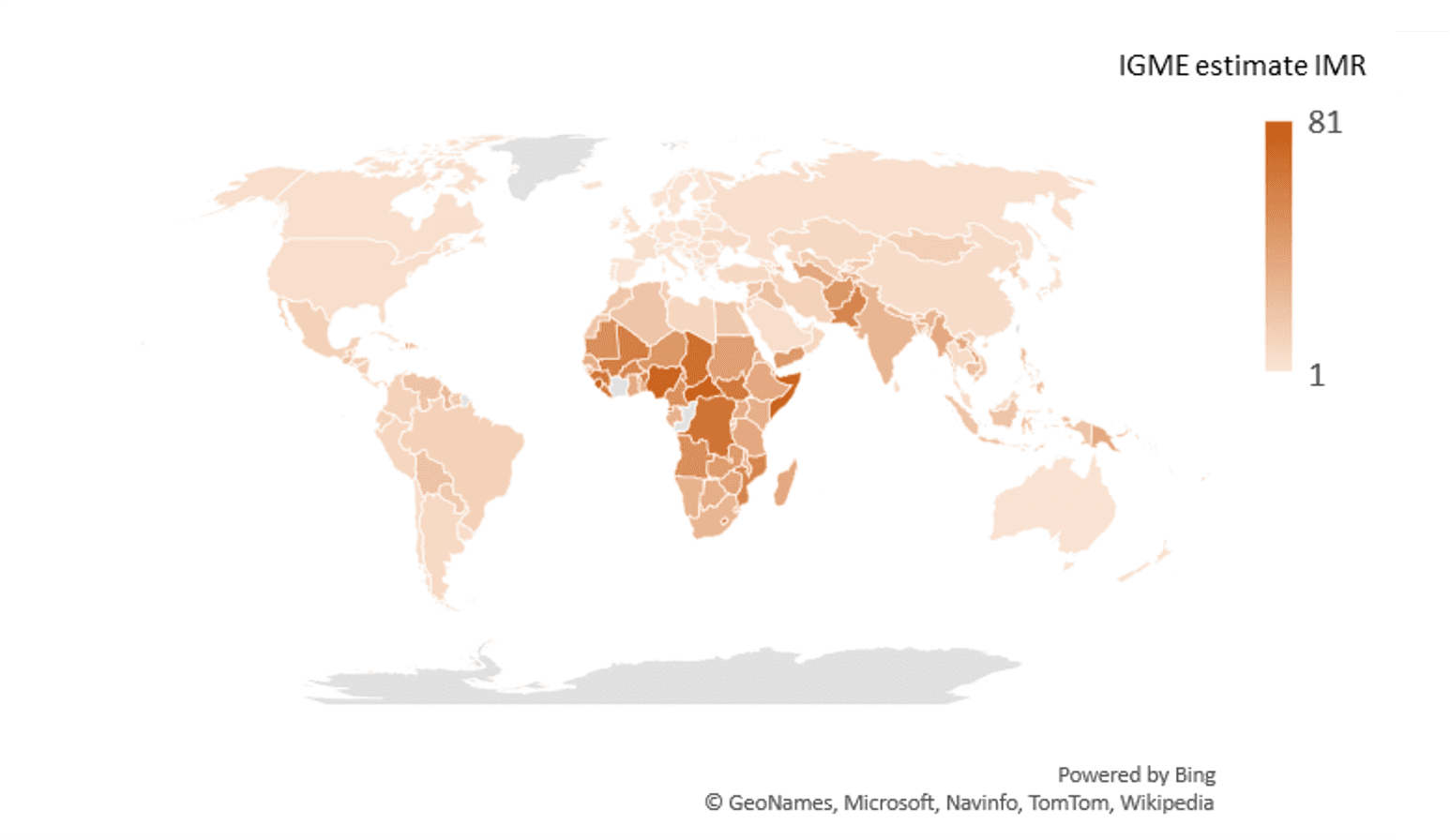
Fig. 3 – Infant Mortality Rate as per IGME estimates
Across India, there were 721,000 infant deaths in 2018, per the United Nations' child mortality estimates. That is 1,975 infant deaths every day, on average, in 2018.
From a global perspective, India ranked 47 in the list of 225 countries with the greatest number of infant mortality cases, according to the Central Intelligence Agency's (CIA) 2017 estimates. Iraq, Kenya, Zimbabwe, Bangladesh, etc., had better survival conditions for infants.
But even in the Indian demographic, the states and union territories show a startling difference in their IMRs (Fig. 4).
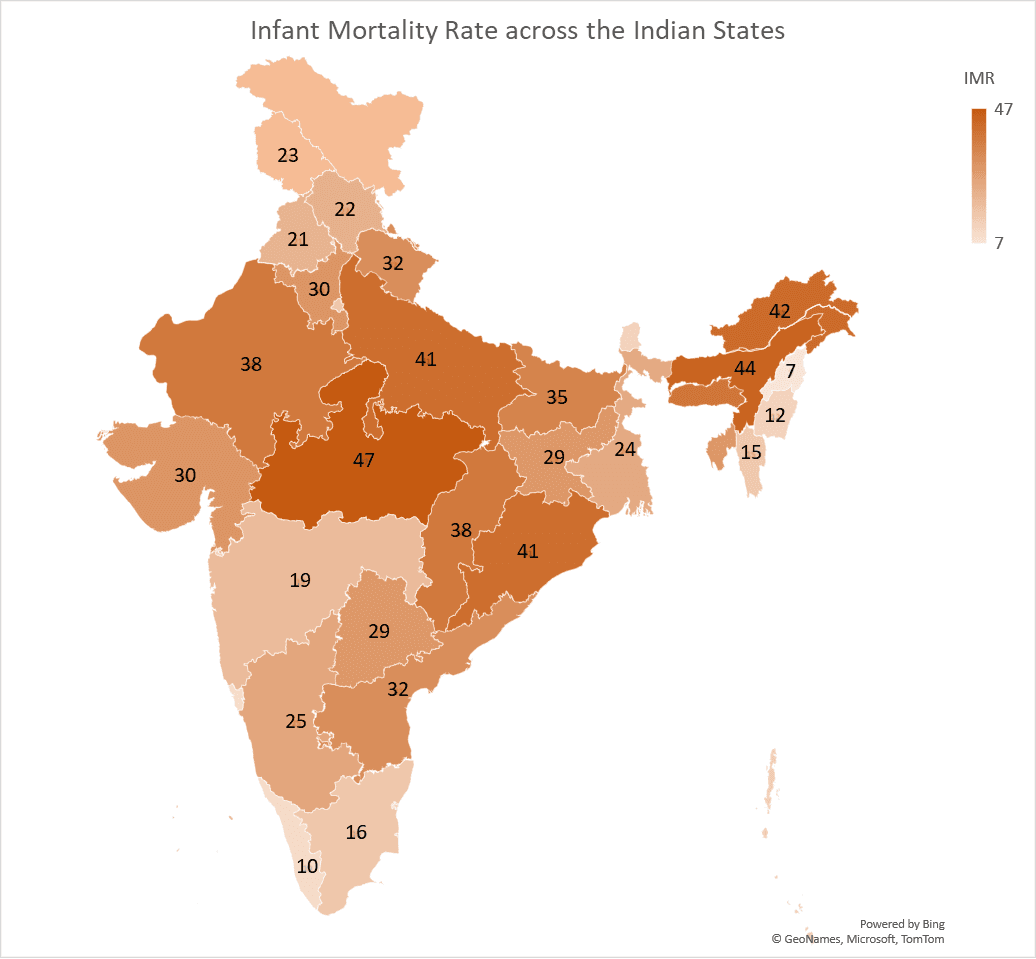
Fig. 4 – Infant Mortality Rate, India, 2017. Source: SRS Bulletin
We believe a universe of underlying factors drive this variance and finetuned a selection for closer study. We understood their individual relationship with IMR by calculating their correlations.
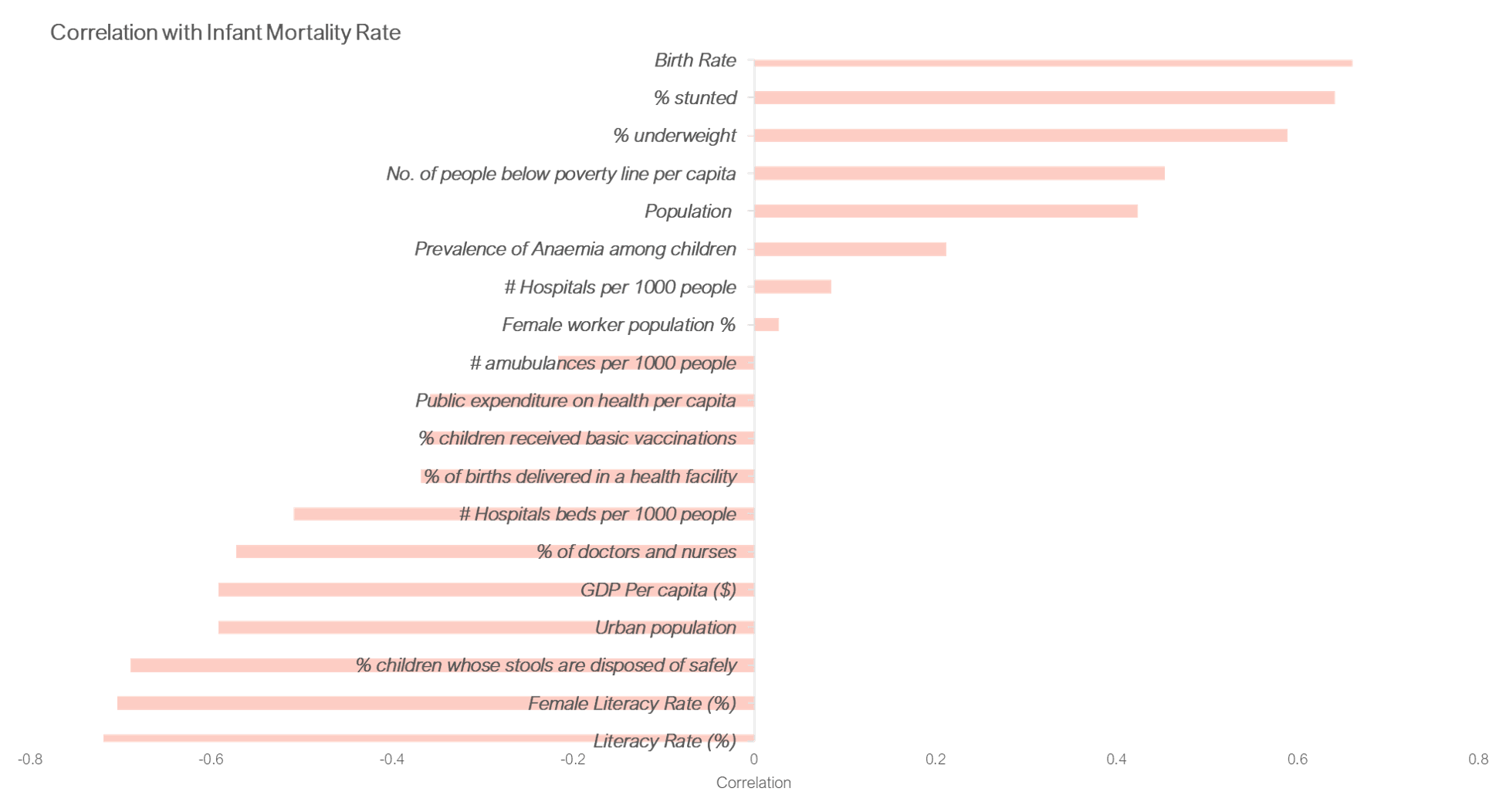
Fig. 5 – Correlations of possible drivers and infant mortality rate (Source: internal analysis)
Literacy Rate (%)
Female Literacy Rate (%)
Birth rate
% stunted (under 5 years)
Percentage of children whose stools are disposed of safely
Urban population
Rural Population
% of doctors and nurses
% underweight (under 5 years)
GDP Per capita ($)
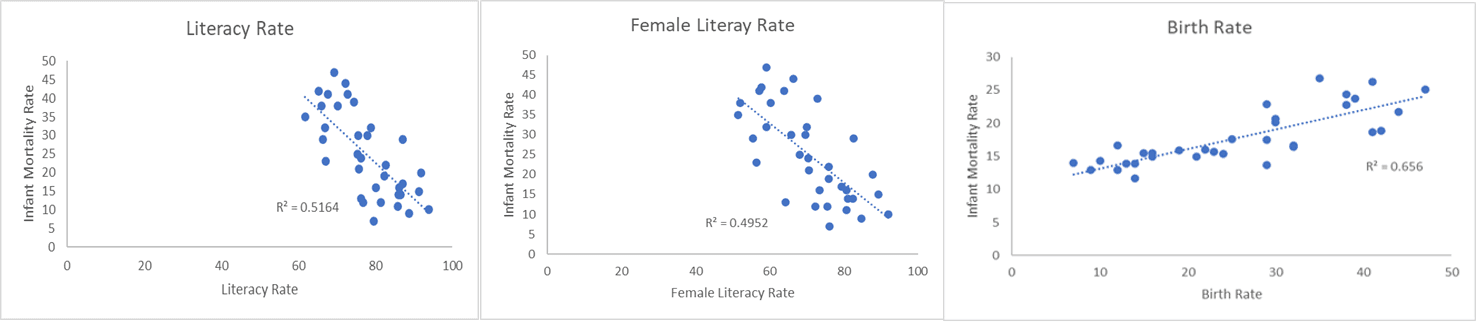
Fig. 6 – Scatterplot of 3 most significantly correlated drivers (Source: internal analysis)
Improving literacy rate and decreasing birth rate by 10% can result in a better dynamic for the Indian IMR rate with a potential 45% improvement according to our model (Fig. 7).
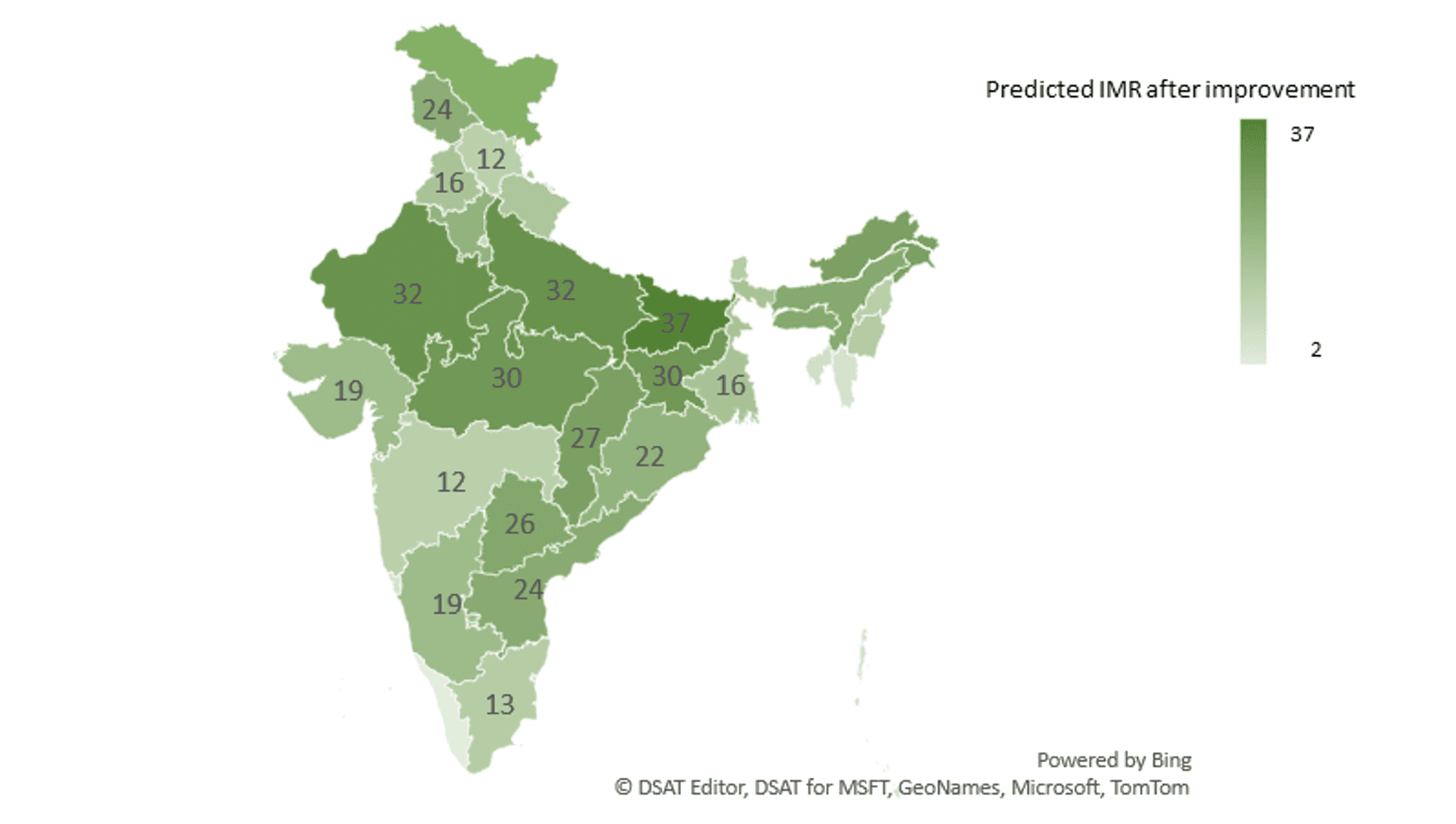
Fig. 7 – Predicted IMR for India in response to key population health intervention and education (Source: internal analysis)
We can see infant deaths are symptomatic of deeper social problems such as educational disparity, rather than just medical aspects.
Literacy can play a significant role in reducing infant mortality rate. States with more educated women show better health outcomes for children. States with the highest IMR–Madhya Pradesh, Assam, Uttar Pradesh, Rajasthan–also have fewer women with more than 10 years of education.
The relationship between birth rate and higher mortality rate is bi-directional. Reductions in fertility contribute to falls in infant mortality by enabling parents to devote more time and resources to their children. The higher mortality in case of high birth rate could also be related to the effect on infants and children of earlier weaning and reduced care from mothers. The causation could reverse course in the form of Replacement and Lay Up. Replacement refers to couples extensively replacing an actual infant or child death with a new birth. Lay Up refers to families, even those who have not experienced a child death, having children more than a desired number as a precaution in the event of child loss.
India has recorded a significant fall in infant mortality rate in the last five years and may improve the situation further by tackling these longstanding social issues. Further reduction in India's child mortality rate calls for new approaches to the problem of child mortality.
One solution could be taking a holistic approach to address the combined need for education (such as universal primary education and access to basic maternal and infant health services).
Apart from implementing concrete policies to provide education to all, there is also a need to introduce important topics in the curriculum such as contraceptives, sex education, and family planning. While it is established that a literate person is better positioned to make educated decisions on behalf of their infant, the introduction of such new topics could make important concepts related to fertility and maintaining a stable birth rate more accessible.
This research is just the beginning of an exploration on a deeply entrenched and multifaceted problem. Understanding IMR risk factors and how they vary by region and state is a crucial first step for policy makers or other non-government decision makers. Stratified health policies that consider the measurable key facets discussed in this article and state specific epidemiological and demographic patterns could be a doorway to a healthier India and a healthier world.

Anoushka Khanna & Neet Shah
Published
December 2020
Reading time
10 min read
Topics
Work with FischerJordan
Our experts are available to discuss how these insights apply to your organization.
Continue reading
Related Insights
View all